
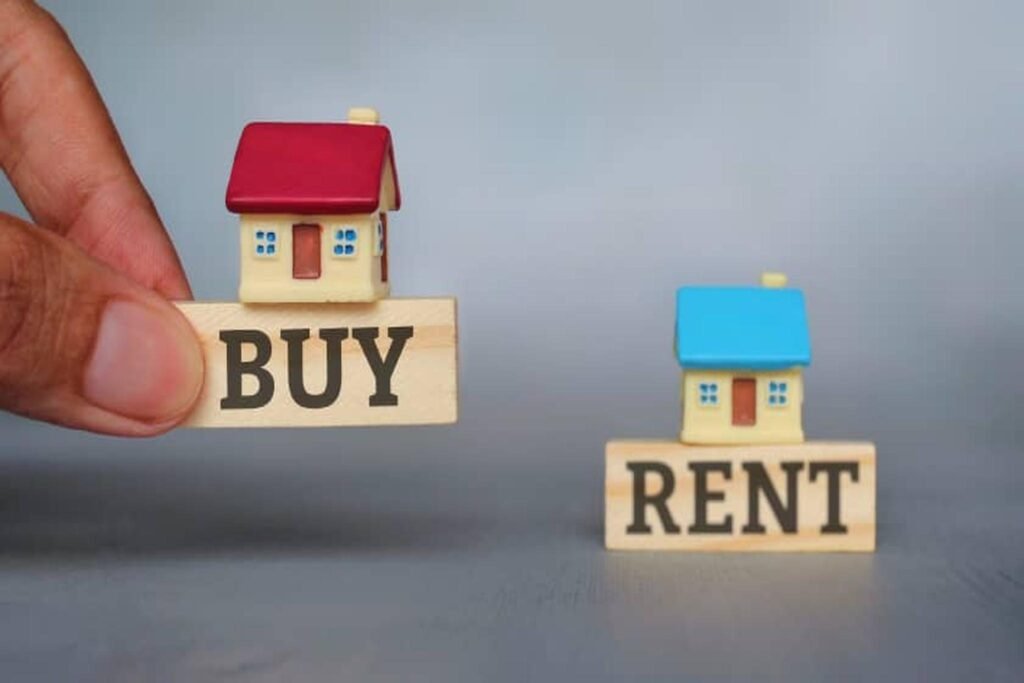
Introduction
Paying for a home is one of the biggest monthly expenses. Many people think about EMI vs Rent when planning their housing future. While both involve monthly payments, the real difference lies in what those payments create over time.
This guide explains EMI vs Rent in a simple, practical way, helping you understand how each option affects your money, stability, and long-term goals.
Understanding Monthly Payments: EMI vs Rent
At first, EMI and rent look similar because both require regular monthly payments from your income. Every month, money goes out in both cases, which is why many people feel both options are the same.
However, the purpose and result of these payments are very different.
- Rent is a monthly expense that allows you to stay in a home for a limited time.
- EMI is a monthly commitment that slowly converts your payment into ownership
With time, rent continues as an expense, while EMI payments start creating long-term value. This difference becomes more important for people planning their housing needs beyond just the present moment.
How EMI Works Over Time
When you pay EMI, every monthly payment helps you move closer to owning your home. A part of the payment reduces the loan amount, which means your ownership increases with time.
Unlike rent, EMI payments do not disappear. Each installment adds long-term value and slowly turns into property ownership. This makes EMI feel more meaningful over the years.
In many cases, the EMI amount remains mostly fixed, while rent keeps increasing regularly. Because of this, EMI becomes easier to manage in the long term and offers better control over future housing costs.
As years pass, EMI reduces uncertainty in housing expenses.
This makes long-term home planning more predictable and manageable.
Renting a Home: What You Need to Know
Renting a home is often chosen for its ease and flexibility. It usually involves a lower initial cost, as there is no need for a large down payment. This makes renting suitable for people who may not be ready for long-term commitments.
Renting also allows freedom to relocate, which helps change jobs or personal situations. Maintenance and major repairs are generally handled by the owner, reducing responsibility for the tenant.
However, rent payments do not contribute to ownership. Each month’s payment only covers the cost of staying in the home for that period. Over time, rent tends to increase, which can raise monthly expenses without adding long-term value.
For people who plan to stay in the same place for several years, renting often becomes a repeated expense that continues without creating an asset or future security.
EMI vs Rent: A Practical Comparison
Comparing EMI and rent becomes easier when you look at monthly payments over time. While both require regular spending, the result of that spending is very different.
For example:
- Monthly Rent: ₹18,000
- Monthly EMI: ₹21,000
The monthly difference may seem small, but over time, the results change. Rent payments are spent only for living in the home during that period. EMI payments, on the other hand, slowly turn into ownership.
When viewed over several years, this comparison shows how EMI payments begin to create lasting value, while rent remains a regular expense.
Why EMI Becomes the Better Choice Over Time
As time passes, the difference between EMI and rent becomes easier to notice. Rent payments continue every month without changing the outcome, while EMI payments slowly move toward full ownership.With EMI, each payment reduces the loan and increases your share in the property. Over the years, this creates a sense of progress, where money paid does not feel wasted but invested.